6/29/2013

Online workshop: English idiomatic expressions translated into Spanish - Part 6

Aquí tienes más expresiones y frases hechas:


idiomsorigins
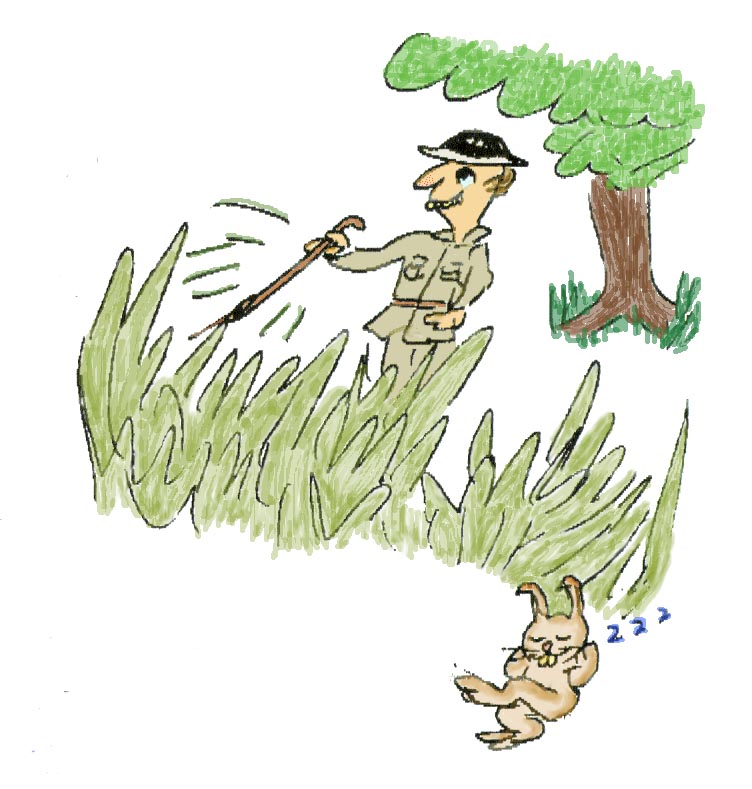
Beat around the bush=Irse por las ramas, no ir al grano.

Don't beat around the bush - get to the point!: ¡No te vayas por las ramas, ve al grano!

He never beat about the bush when something was annoying him: Cuando algo le molestaba, no se andaba con chiquitas.


Not pull any punches=No andarse con chiquitas, sin paños calientes.

I didn't pull any punches. I told her exactly what I thought of her: No me anduve con chiquitas, le dije exactamente lo que pensaba de ella.


Iain Banks was already writing this novel about a middle-aged man raging against terminal cancer when he received his own diagnosis earlier this year. He pulls no punches in an honest portrait of adult compromise and disappointment: Iain Banks ya estaba escribiendo esta novela sobre un hombre de mediana edad que lucha contra un cáncer terminal cuando recibió su propio diagnóstico a principios de este año. Sin paños calientes y de forma sincera, retrata un panorama de compromiso adulto y decepción. The Guardian


"Well, the new restaurant manager didn't pull any punches. He just told us the food was disgusting and we have to improve.": "Bueno, el nuevo jefe no se anduvo con chiquitas. Nos dijo que la comida era una basura y que tenemos que mejorar." BBC Learning English


Find one's feet=Coger el tranquillo, hacerse, acostumbrarse (a un trabajo nuevo o a una nueva situación).

Haz clic aquí para escuchar y leer la explicación de esta expresión.


A ver si consigues detectar en qué momento de este vídeo se hace uso de esta expresión:


Tiene un significado similar la expresión informal get the hang of it (=  to learn how to do something, especially if it is not obvious or simple):

"I've never used this program before." "Don't worry - you'll soon get the hang of it.": "No he usado nunca este programa." "No te preocupes, ya le cogerás el tranquillo pronto."

En este otro vídeo se utiliza esta última expresión:


Estate atent@ a las siguientes sesiones de nuestro taller de expresiones  bilingüe. Quizás hayas oído en más de una ocasión alguna de estas expresiones u otras y te apetezca contar en qué situación o contexto las has oído. ¡Anímate a hacer tus propias aportaciones a través de los comentarios!

6/04/2013

Online workshop: English idiomatic expressions translated into Spanish - Part 5

He aquí la quinta sesión del taller bilingüe de frases hechas. Espero que te resulten interesantes.


http://recallsolutions.squarespace.com
To hit the sweet spot = Dar en el blanco, hacer diana, dar en el clavo, estar en su punto, estar en el mejor momento o en un momento dulce.

El punto dulce o punto de golpeo de una raqueta de tenis es el punto en el que la pelota alcanza máxima potencia al golpear sobre él. Por extensión se aplica a otros ámbitos fuera del mundo del deporte cuando se quiere hacer referencia al punto óptimo de algo, alguien o de una situación determinada.

Hit the sweet spot: Hugh Fearnley-Whittingstall's caramel recipes.
I don't know who discovered that seriously burning sugar was a good idea, but I
take my hat off to them
En su punto: Las recetas de caramelo de Hugh Fearnley-Whittingstall.
No  quién descubrió que en verdad  era buena idea quemar azúcar, pero me quito el sombrero ante ellos. The Guardian


Sweet spot
US elections 2008: To some, Barack Obama's hopeful rhetoric seems saccharine and weak. Tell that to the hordes of new voters who are flocking to him

Momento dulce
Las elecciones estadounidenses del 2008: Para algunos, la retórica optimista de Barack Obama resulta edulcorada y blanda. Dile eso a las hordas de nuevos votantes que acuden en masa a él. The Guardian

The singer's early hits felt fluid and instinctive. Now it all looks a bit like hard work – and she's not hitting the sweet spotLos primeros éxitos de la cantante parecían fluidos e instintivos. Ahora parece todo un poco forzado y trabajoso y no está dando en el clavo. The Guardian


To go down the tubes=Irse al garete

The country is going slowly down the tubes: El país se está yendo poco a poco al garete.

There is a marked and growing divergence between unemployment in the US and the eurozone that can be attributed to two factors: the Federal Reserve has been prepared to embrace quantitative easing on a grand scale and the European Central Bank has not; and fiscal policy in the eurozone has been relentlessly pro-cyclical, with taxes raised and spending cut even when it was clear economies were going down the tubes: Existe una marcada y creciente divergencia entre el desempleo en EEUU y la eurozona que puede ser atribuida a dos factores: La Reserva Federal de EEUU se ha preparado para una expansión monetaria cuantitativa a gran escala a diferencia del Banco Central Europeo; y la política fiscal de la eurozona ha sido implacablemente procíclica, subiendo impuestos y recortando el gasto incluso cuando estaba claro que las economías se estaban yendo al garete. The Guardian

In a blanket fashion=Por el mismo rasero, indiscriminadamente.

Somewhat belatedly, eurozone policymakers have woken up to the social costs of the austerity programmes that have been enacted in a blanket fashion across the single currency: Un poco tarde los legisladores de la eurozona se han dado cuenta de los costes sociales de los programas de austeridad decretados indiscriminadamente por toda la zona de la moneda única. The Guardian

To circle the wagons=Cerrar filas, atrincherarse, parapetarse.
mohawknationnews.com 
Esta expresión, al parecer, viene de los tiempos del viejo oeste americano cuando los pioneros solían colocar los carros en círculo como estrategia de defensa frente a los indios. En la actualidad esta expresión significa ponerse a la defensiva.


After each of these scandals, the military claimed it knew best how to handle the problem and proceeded to institute insignificant reforms that did little to reduce assaults among the troops. Now the generals are circling the wagons again, insisting that the legislation’s reasonable reforms would affect commanders’ ability to maintain “good order and discipline": Tras cada uno de estos escándalos, las fuerzas armadas sostenían que ya sabían solucionar el problema y procedieron a introducir reformas insignificantes que poco contribuyeron a reducir las agresiones entre militares. Ahora los generales cierran filas otra vez, insistiendo en que las razonables reformas de la legislación perjudicarían la capacidad de los comandantes de mantener "el orden y la disciplina". The New York Times


5/21/2013

Online workshop: English idiomatic expressions translated into Spanish - Part 4

Aquí tienes la cuarta sesión del taller bilingüe de dichos y frases hechas:


Turn a blind eye=Hacer la vista gorda, mirar para otro lado.
Management often turns a blind eye to bullying in the workplace: Con frecuencia la dirección hace la vista gorda ante el acoso en el trabajo.

Economically, it's madness to cut off valuable students from China and India for the sake of hitting a meaningless "net" migration statistic. Morally, some "action" means deliberately turning a blind eye to some abuse that would shock many of the same people who want immigration cut, if they knew: Económicamente, es de locos dejar fuera a valiosos estudiantes procedentes de India y China en aras de cumplir una absurda estadística de migración "neta". Moralmente, "acción" gubernamental implica hacer la vista gorda deliberadamente a abusos que, de saberlo, horrorizarían a muchos de los que quieren poner barreras a la inmigración. The Guardian


But if turning a blind eye is more your kind of evil, then we shouldn't let accusations levied against Ask.fm this year pass us by: Pero si para ti hacer la vista gorda sí es perverso, entonces no deberíamos dejar pasar de largo las acusaciones hechas a Ask.fm este año. The Guardian

Idiom origins
Red tape=Papeleo, burocracia
This law will just create more red tape: Esta ley sólo creará más papeleo.

"...We look at the EU and we worry about Britain's ability to compete in the global race. We look at the regulations and the red tape that comes from Europe … and if you go into the boardrooms in New York, or Tokyo or Singapore they think the European economy is frankly a joke.""...Miramos a la UE y nos preocupa la capacidad del Reino Unido de competir en el ámbito global. Miramos a la normativa y la burocracia que viene de Europa...y si vas a las salas de reuniones de Nueva York o Tokyo o Singapur, piensan que la economía europea es francamente un chiste."The Guardian

Put on a brave face=Aguantar el tipo, hacerse el/la fuerte.

She seems all right but I suspect she's just putting on a brave face: Parece que está bien pero sospecho que se está haciendo la fuerte.

Putting on a brave face
You're a famous woman, your relationship is on the rocks - and you have to face the cameras. So what do you wear to create the right impression?

Aguantando el tipo
Eres famosa, tu relación está haciendo aguas (otra expresión: "be on the rocks"="hacer aguas") y tienes que enfrentarte a las cámaras. ¿Qué te puedes poner para dar buena impresión? The Guardian

yowpyowp
Set tongues wagging=Dar que hablar

Mr Hellman wore the same t-shirt to work every day for a week. It really set tongues wagging: some thought he just didn't wash it, others thought it was because he hadn't been home all week: El sr. Hellman llevó la misma camiseta al trabajo toda la semana. Realmente dio que hablar: Unos pensaban que lo que pasaba era que no la lavaba, otros creían que era porque no había pasado por su casa en toda la semana.  BBCLearningEnglish

Tom Ilic does things with meat that'll set your tongue wagging. Jay Rayner visits a local hero: (El restaurante) Tom Ilic hace cosas con la carne que te dará que hablar. Jay Rayner visita un héroe local. The Guardian

5/10/2013

Online workshop: English idiomatic expressions translated into Spanish - Part 3

Ésta es la tercera sesión del taller bilingüe de frases y dichos. Haz clic aquí para acceder a la segunda sesión y aquí a la primera.

Idiom origins
Let the cat out of the bag= Levantar la liebre, irse de la lengua, destapar el pastel.

I was trying to keep the party a secret, but Mel went and let the cat out of the bag: Intentaba mantener la fiesta en secreto pero fue Mel y se fue de la lengua.

Supposedly just commenting on imminent plans, Albarn seemed to also let the cat out of the bag regarding Blur's immediate future.  And it sounds as if there could be a new album after all: Supuestamente hablando sobre planes inminentes, al parecer Albarn también ha levantado la liebre acerca del futuro inmediato del grupo Blur. Parece ser que podría haber un nuevo álbum después de todo. The Guardian

En el siguiente vídeo se utiliza esta expresión. A ver si la detectas:


Go off the rails=Descarriarse, salirse del buen camino, ir por el mal camino,  desmadrarse.

He went off the rails in his first year at university: El primer año de universidad se desmadró.

My father suffered from depression when I was growing up and my mother never had time to listen to me. Then as a teenager I went off the rails: My padre padeció depresión cuando era pequeña y mi madre nunca tenía tiempo para escucharme. Luego de adolescente me descarrié / fui por el mal camino. The Guardian

Pull out all the stops=Hacer todo lo (humanamente) posible, hacer algo a lo grande (sin reparar en gastos), poner todo de + artículo posesivo+ parte, poner todos los medios a + artículo posesivo+alcance, poner toda la carne en el asador, emplearse a fondo.

They gave a Christmas party and pulled out all the stopsDieron una fiesta de Navidad a lo grande.

We pulled out all the stops to meet the deadline: Pusimos todo de nuestra parte para cumplir el plazo. (Por cierto, otra equivalencia: meet the deadline=cumplir el plazo)

This was a gripping adventure, a very easy yet inspiring read and a book I recommend. The author really dived in and pulled out all the stops for a good mystery: Es una aventura apasionante, de muy fácil y no por ello menos inspiradora lectura y un libro que recomiendo. El autor verdaderamente se entrega en cuerpo y alma y se emplea a fondo para conseguir una buena historia de misterio.  The Guardian


Go the whole hog (informal)=Ir hasta el final, ir a por todas, llevar hasta las últimas consecuencias, ya puestos.

Having already limited local taxation, why not go the whole hog and abolish it completely?: Puestos a limitar los tributos locales, ¿por qué no ir hasta el final y suprimirlos completamente?

The psychologist G Stanley Hall went even further and referred to the state of being an only child as "a disease in itself". So I have a disease. Perhaps they should go the whole hog and give it a proper name, in the manner of cancer or diabetes: El psicólogo G. Stanley Hall fue incluso más lejos refiriéndose al estado de ser hijo único como "una enfermedad en sí misma". Vaya, así que tengo una enfermedad.  Tal vez ya puestos, debieran darle un nombre de verdad, como al cáncer o a la diabetes.The Guardian

5/01/2013

Online workshop: English idiomatic expressions translated into Spanish - Part 2

Ésta es la segunda sesión de nuestro taller bilingüe de expresiones idiomáticas. ¡Vamos allá! Puedes acceder a la primera desde aquí.

Jump the gun: Adelantarse a los acontecimientos, precipitarse.


The mainstream media were as guilty at jumping the gun as everyone else: Los medios de comunicación dominantes fueron tan culpables como el resto en adelantarse a los acontecimientos. The Guardian  


Win the wooden spoon: Llevarse la cuchara de madera.

Esta expresión proviene del rugby. Es el “trofeo” otorgado al equipo que al final del Torneo de las Seis Naciones no ha sumado ningún punto. A veces, por extensión, se puede utilizar con otros deportes o cuando se habla de una competición no necesariamente deportiva.

The New York Post would win the wooden spoon for reporting...: El New York Post se llevaría la cuchara de madera de la información...The Guardian


In the twinkling of an eye: En un abrir y cerrar de ojos.

We shall be changed - albeit not in the twinkling of an eye and certainly not at the last trumpet:
Seremos transformados, si bien no en un abrir y cerrar de ojos y desde luego tampoco a la trompeta final. (Aclaración: El autor de esta frase ha adaptado un pasaje de la Biblia para dar la bienvenida al nuevo año). The Guardian

Microprocessors do the calculations in the twinkling of an eye: Los microprocesadores hacen cálculos en un abrir y cerrar de ojos.

To bite the bullet:

“To endure a painful or otherwise unpleasant situation that is seen as unavoidable”, “to force yourself to do something unpleasant or difficult, or to be brave in a difficult situation”, "behave bravely or stoically when facing pain or a difficult situation".

Es difícil dar un equivalente exacto en español para esta expresión. Algunas posibilidades son: “Hacer de tripas corazón”, “tragar” (en el sentido de "cargar con alguna obligación o circunstancia ingrata o no deseada”), “apechar con las responsabilidades”, “mantener el tipo ante una situación dolorosa o difícil”, “aguantar el tirón”, “pasar por el aro”, “pasar por el mal trago de”, “verse obligado a tomar una difícil decisión aunque duela”...  

Los dirigentes europeos suelen utilizar este giro para expresar que, aunque no les gusta la idea, no han tenido más remedio que implementar políticas de austeridad (han tenido que “morder la bala”).

Hamon said the French government needed to bite the bullet and accept that ending austerity would lead to a falling-out with Europe's biggest economic power: Hamon dijo que el gobierno francés necesitaba pasar por el aro y aceptar que acabar con la austeridad llevaría a un enfrentamiento con la mayor potencia económica de Europa. The Guardian

I hate going to the dentist, but I suppose I'll just have to bite the bullet: Odio ir al dentista, pero supongo que tendré que hacer de tripas corazón.

Decisions have to be taken and as director you have got to bite the bullet: Hay que tomar decisiones y como director debes apechar.

"Allowing electronic strangers into a girl's bedroom before her mid-teens is an extremely bad idea. If parents want their daughters to establish healthy sleeping habits they have to bite the bullet and insist that their bedroom remains a technology-free zone.": “Es una pésima idea permitir que una pre-adolescente meta en la habitación extraños electrónicos. Si los padres quieren que sus hijas tengan hábitos de sueño saludables; aunque cueste, deben insistir en que su habitación sea una zona libre de tecnología.”The Guardian


¿Y a ti? ¿Se te ocurre alguna equivalencia exacta en español para “bite the bullet”?


4/22/2013

Online workshop: English idiomatic expressions translated into Spanish - Taller online bilingüe de frases hechas


Conocer idiomatic expressions, proverbs o adages, dichos populares o  frases hechas y saber cómo usarlas es una de las habilidades lingüísticas en niveles avanzados.

No estaría nada mal que en tus articles y essays introdujeras algún que otro dicho. Pero, ¡cuidado!, no abuses (uno o dos como mucho en cada escrito) y, sobre todo, asegúrate de que encajan en el contexto, que están correctamente utilizadas y que no quedan fuera de lugar (en este sentido, debes evitarlas a toda costa en formal letters y reports).

Dicho esto, doy comienzo a lo que voy a llamar “Online workshop: English idiomatic expressions translated into Spanish” o “Taller online bilingüe de frases hechas”.

Se dará información de las más utilizadas y su equivalente aproximado en español. Es decir, la versión en español intentará llevar la misma carga semántica y registro de la versión inglesa. De esta manera, espero que te sea más fácil saber cómo trasladarlas a tus escritos.

Es éste un taller, lo que significa que tu participación, con cualquier duda o sugerencia que tengas, es bienvenida.

Every cloud has a silver lining = No hay mal que por bien no venga / Cuando una puerta se cierra, ciento se abren / No hay daño que no tenga apaño / Por uno que se pierde, diez aparecen. Fuentes: usingenglish.com, oxforddictionaries.com y centro virtual cervantes

English version: “ It is always possible to get something positive out of a situation, no matter how unpleasant, difficult or even painful it might seem.

Versión española: “Indica que de una contrariedad se puede extraer algo bueno, que una contrariedad puede tener resultados favorables”.

Las dos expresan ante todo una actitud optimista ante una situación desfavorable.

Con frecuencia se utiliza parcialmente (the silver lining), por lo que en algunas ocasiones no se puede traducir al español con la expresión equivalente, sino con otras como: “el lado positivo”, “el lado bueno”,“consuelo”, “mostrarse optimista”. Fíjate en estos ejemplos:

After the fire two years ago few could see the silver lining: Tras el incendio de hace dos años, pocos se mostraban esperanzados o optimistas o podían ver el lado positivo o hallaban consuelo.

Oscar losers' silver lining – a $45,000 goody bag: Premio de consolación para nominados que no han ganado un Oscar: Un paquete regalo valorado en 45.000 dólares. The Guardian

But perhaps there is also a silver lining to this cloud of economic depression. In the UK, it is possible that green investment may return as the face-saver for a failed austerity programme: Pero quizás haya un rayo de esperanza que disperse el nubarrón (o una luz al final del tunel) de la depresión económica. En el Reino Unido la inversión verde podría ser la tabla de salvación del fracasado programa de austeridad. The Guardian

I bet you now understand this song 'My Silver Lining':


I don't want to wait anymore I'm tired of looking for answers
Take me some place where there's music and there's laughter
I don't know if I'm scared of dying but I'm scared of living too fast, too slow
Regret, remorse, hold on, oh no I've got to go
There’s no starting over, no new beginnings, time races on
And you've just gotta keep on keeping on
Gotta keep on going, looking straight out on the road
Can't worry 'bout what's behind you or what's coming for you further up the road
I try not to hold on to what is gone, I try to do right what is wrong
I try to keep on keeping on
Yeah I just keep on keeping on

I hear a voice calling
Calling out for me
These shackles I've made in an attempt to be free
Be it for reason, be it for love
I won't take the easy road

I've woken up in a hotel room, my worries as big as the moon
Having no idea who or what or where I am
Something good comes with the bad
A song's never just sad
There's hope, there's a silver lining
Show me my silver lining

I hear a voice calling
Calling out for me
These shackles I've made in an attempt to be free
Be it for reason, be it for love
I won't take the easy road

I won't take the easy road
The easy road, the easy road

Show me my silver lining, I try to keep on keeping on


And now enjoy this video 

It's not rocket science / It doesn't take a rocket scientist (it is not very complicated or difficult to understand.)= No hace falta ser un genio.

Drugs equals crime. It doesn't take a rocket scientist to figure that one out: Las drogas y el crimen son la misma cosa. No hace falta ser un genio para entender eso.

A picture is worth a thousand words= Una imagen vale más que mil palabras.

A rolling stone gathers no moss= Renovarse o morir / Piedra movediza, moho no cobija / Piedra movediza no cría moho / Piedra que ruerda no cría moho

Es curioso porque el proverbio inglés tiene dos interpretaciones:
1) "People say this to mean that an ambitious person is more successful than a person not trying to achieve anything". 

2) "Originally it meant the opposite and was critical of people trying to get ahead". "A person who does not settle in one place will not accumulate wealth or status, or responsibilities or commitments".

En español el dicho "Piedra movediza, moho no cobija" (también "Piedra movediza no cría moho" o "Piedra que rueda no cría moho"), según el Centro Virtual Cervantes, recomienda ser activo y constante en el trabajo para mejorar la condición. Por tanto, se ajusta a la primera interpretación del proverbio inglés.

Revenge is a dish best served cold= La venganza es un plato que se sirve frío / La venganza se sirve en plato frío.

Never wrong for long: 'It is a jibe that dates back to the early days of 24-hour news channels. It neatly links the drive to be first - even if the story is sometimes wrong - with the ability to correct it almost as quickly.' bbcjournalism

'A colleague from a TV news network was telling me the other day that its informal slogan was now “Never wrong for long.” News goes on air as it emerges in a furious competitive scramble, and then if it proves inaccurate it is supplanted rather than corrected.' nytimes.com

Esta expresión nace de la mala praxis periodística. Viene a decir que lo importante es ser el primero en publicar la noticia sin contrastar y si  resulta ser falsa o inexacta se suplanta por otra en vez de rectificarla o se corrige rápida y hábilmente con fórmulas que eluden la rectificación o fe de errores. Va en la línea de la frase "No dejes que la realidad te estropee un buen titular".


Hasta aquí la primera sesión de nuestro taller. Estate atent@, habrá más en sucesivos posts...

4/15/2013

Typical mistakes 2


Aquí tienes la segunda entrega de typical mistakes, errores que se suelen cometer y que trataremos de evitar. Puedes acceder a la primera parte de typical mistakes desde aquí.

AFTER / AFTERWARDS: Equivalente español: Después.
Typical mistake:*We had tea, and after we sat in the garden for a while.

After debe ir acompañado de un sintagma. Por ejemplo: I'll phone you after I arrive. Si no existe sintagma, entonces se dice afterwards o later o then o after that: We had tea, and afterwards we sat in the garden for a while. Otra forma posible de expresar esto mismo es: After we had tea, we sat in the garden for a while.
>Un truco para recordar esto es imaginarse que after es como tras o después de en español, y que afterwards es después. Ciertamente, en español el primero tampoco puede ir solo: *Tomamos el té y tras /después de nos sentamos en el jardín un rato. Detrás de tras o de después de, falta algo ¿verdad? Pues lo mismo pasa con after.

Resumiendo, las oraciones correctas serían:
  • We had tea, and afterwards we sat in the garden for a while.
  • We had tea, and then we sat in the garden for a while.
  • We had tea, and after that we sat in the garden for a while.
  • After we had tea, we sat in the garden for a while.
Y recuerda:
  • After = Tras
  • Afterwards = Después


I DARE SAY: Equivalente español: Supongo, imagino que, probablemente. NO es lo mismo que I dare to say, cuyo equivalente español es “me atrevo a decir”.

Observa la diferencia en estos ejemplos:
  • I'll rain tomorrow, I dare say.
  • I dare say you're thirsty after all that tennis.

  • I dare to say that he is the one who stole my necklace.
DEAD / DIED: Equivalente español: muerto. Dead es un adjetivo. Died es el pasado y participio del verbo die.
Typical mistakes: *She is dead in a car crash. *He dead in 1910. *She is died in a car crash.

Oraciones correctas:
  • She died in a car crash.
  • He died in 1910.
  • He is dead.


DEPEND: Typical mistakes:'Do you like that kind of music?' - *'It's depend.'. *It depends of my mood.
Depend es un verbo, no un adjetivo. Por tanto, is delante de depend no es posible. Además la preposición que va detrás es ON y no OF. Así, las oraciones correctas son:
  • It depends.
  • It depends on my mood.
DIVORCE: Typical mistake: *My sister divorced last year.
Divorce necesita un objeto directo detrás (you divorce somebody). Si no se expresa objeto directo, es decir de quién se divorcia, entonces se utilizan las expresiones to get divorced o to get a divorce. Lo mismo ocurre con marry y get married. A proposito de marry, otro error frecuente es utilizar la preposición with, por calco del español: * I married with John.  
Oraciones correctas:
  • My sister got divorced last year.
  • He wants to divorce Mary.
  • My sister got married last year.
  • He wants to marry Jane.
  • I married John.
DURING / FOR: Equivalente español: Durante. Typical mistake: *My father was in hospital during six weeks.

During se emplea para decir cuándo ocurrió algo. For para expresar cuánto tiempo duró algo.

Oraciones correctas:
  • My father was in hospital for six weeks during the summer.
  • There was a storm during the night: it rained for three or four hours.
EFFECTIVE / EFFICIENT: Equivalentes en español: Eficaz, efectivo / Eficiente. También en español solemos confundir estos términos.

En inglés efficient puede referirse a una persona que trabaja de una manera organizada y sacando máximo rendimiento del tiempo; y también a una máquina o sistema que funciona bien. Por ejemplo:
  • I've sorted out all my letters and filed them alphabetically – isn't that efficient of me?
  • The German telephone system is highly efficient.
Por su parte, se dice que algo es effective cuando resuelve un problema en particular o consigue el resultado deseado. Ejemplos:
  • My headache's much better. Those tablets are effective.
  • I think a wide black belt would look very effective with that dress.
En español eficiente según el diccionario de la RAE significa que “tiene capacidad de disponer de alguien o de algo para conseguir un efecto determinado”. Dicho de persona, ‘competente, que rinde en su actividad’.

Eficaz o efectivo significa que “tiene capacidad de lograr el efecto que se desea o se espera”. En referencia a cosas es preferible usar los adjetivos eficaz o efectivo.

FOR: Typical mistake: *We went to the pub for having a drink.

For puede usarse para referirse a la finalidad o el propósito de algo, pero cuando va seguido de un sustantivo o un sintagma nominal. Ejemplos: 
  • We went to the pub for a drink.
  • I went to the college for an interview.
Si lo que tenemos es un verbo, entonces se utiliza TO. Ejemplos:
  • We went to the pub to have a drink.
  • I went to the college to see him.
For + -ing es posible cuando se expresa para qué sirve un objeto. Ejemplo: Is that cake for eating or just for looking at?

IN CASE / IF: Typical mistake: *I'll come and see you in case I pass through London.

In case no es lo mismo que if. In case se usa para referirse a cosas que hacemos como medida de precaución. El equivalente en español es por si (acaso). Ejemplos:
  • You should insure your house in case there is a fire.
  • Take John's address with you, in case you have time to see him when you're in London.
La corrección de la oración errónea es: I'll come and see you if I pass through London.

In case of se suele utilizar en avisos y en esos casos sí es lo mismo que if:
In case of fire, break glass (=If there is a fire...)

MOST: Typical mistakes: *The most people agree with my attitude. *Most of people are afraid of something.
Most en el primer ejemplo es un artículo, por lo que no puede ir acompañado de otro artículo.
Most también puede ser un pronombre. Con of puede usarse delante de otro artículo u otro pronombre:
  • I've eaten most of the salad.
  • I'm pretty happy most of the time.
  • I've read most of your books.
  • Most of us feel the same about the war.
Sin embargo, most of no puede usarse delante de un sustantivo sin artículo. Se puede decir most of the people, most of these people o most people, pero no *most of people.

Resumiendo:
  • Most + noun (sin artículo): Most people
  • Most of + artículo + noun: Most of these people
  • Most of + pronoun: Most of them

Oraciones correctas:
  • Most people agree with my attitude.
  • Most people are afraid of something.
  • Most of the people in this room are young.
POSSIBILITY / OPPORTUNITY: Typical mistake:*I have the possibility to go to Denmark.

Possibility no suele ir seguido de un infinitivo, además de que no es frecuente decir que alguien tiene una posibilidad sino que hay o existe una posibilidad.
Con el verbo have es preferible el término opportunity + To o  of -ing.

Oraciones correctas:
  • There is a possibility of my going to Denmark.
  • There is a possibility that I may be able to go to Denmark.
  • I have the opportunity to go (of going) to Denmark.
                                                           Fuente: Practical English Usage. Michael Swan. Ed. Oxford.

ON THE OTHER HAND:

La traducción al español suele ser "por otro lado", o "por otra parte"... Y aquí empieza el lío ya que en español podemos encontrar dos posibles usos.

Uno que expresa contraste:

Por una parte es un sitio ameno, pero por otra está muy distante de la ciudad. Rae 

Y otro que añade otro aspecto o consideración, no necesariamente contrario o antagónico:

En la actualidad, Eroski cuenta con una red superior a 2.100 establecimientos y para este año tienen previstas varias aperturas en el País Vasco, entre supermercados propios y franquiciados. En todo el Estado, la previsión de aperturas de supermercados franquiciados es de 60 a lo largo de este año.

Por otra parte, este mismo año acometerá alrededor de 50 reformas en la red comercial, que van desde pequeñas reformas de mantenimiento hasta transformaciones integrales de algunas tiendas para adecuarlas al nuevo modelo de tienda "contigo". También se realizarán eco-reformas para mejorar la eficiencia energética de las tiendaseldiario

Veamos la definición de on the other hand que ofrece el diccionario online Oxford: “used to present factors which are opposed or which support opposing opinions."

On the one hand I'd like a job that pays more, but on the other hand I enjoy the work I'm doing at the moment.

Queda claro entonces que si hacemos uso de on the other hand, debe haber un contraste o dos lados opuestos de una cosa o situación y que, por tanto, en inglés no sería adecuado utilizarlo como equivalente a "por otra parte" en ese segundo sentido antes mencionado. Fíjate en los siguientes ejemplos:


D'Alimonte believes there is now "a serious risk of split". One of the biggest contradictions within the M5S, he said, was "the claim to participatory democracy, and on the other hand the leadership style of Mr Grillo". TheGuardian

On the one hand smokers should have the right to smoke if they want to, but on the other hand non-smokers should have the right to breathe smoke-free air.

On the one hand I love the freedom of being single, but on the other hand the idea of being married and having a family is very attractive.

Pincha en este enlace de donde se han extraído estos dos últimos ejemplos y haz el quick quiz propuesto.